
Landlord and Tenant

Rules and process of the landlord tenant board

What is the Landlord & Tenant Board

The Landlord and Tenant Board (LTB) is the tribunal that resolves disputes between landlords and tenants under Ontario’s Residential Tenancies Act, 2006. It deals with a wide range of housing-related matters, including evictions, rent disputes, tenant rights, and landlord obligations.


While the LTB process is meant to be accessible, it can still feel overwhelming. Applications require strict forms, deadlines, and evidence, and many hearings face delays. Having professional support helps ensure that your matter is handled correctly and that your rights are fully represented.

Common LTB Matters

The LTB often deals with:


Eviction applications for non-payment of rent or violations of lease terms.


Rent disputes, including unpaid rent or challenges to rent increases.


Tenant rights concerns, such as maintenance and repair issues.


Landlord’s own use applications, where a landlord or family member requires the property.


Illegal lockouts or entry, where tenants allege landlords have acted outside the law.


Compensation claims, such as for unpaid rent or property damage.

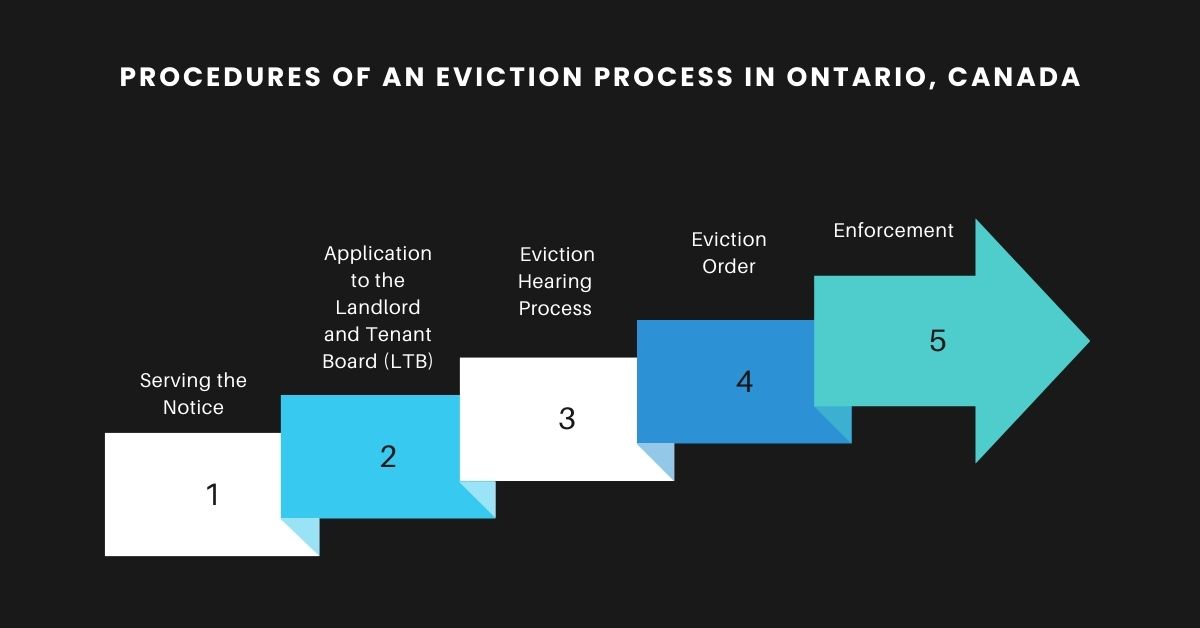
The LTB Process

1. Filing the Application

The process begins by completing and submitting the correct LTB form. Each type of dispute has its own form, and accuracy is critical to avoid delays or dismissal.

2. Serving the Documents

Once filed, the application and Notice of Hearing must be properly delivered to the other party. Service must follow strict LTB rules to ensure the case can proceed.

3. Case Preparation

Both sides have the opportunity to prepare for the hearing. This may include collecting rental agreements, payment records, photographs, repair invoices, or witness statements. Strong preparation often makes the difference in the

4. The Hearing

At the scheduled hearing, both landlord and tenant present their evidence and arguments before an adjudicator. Hearings may be held in person, by telephone, or by video conference.

5. The Decision

After reviewing the evidence, the adjudicator will issue a written decision called an “order.” This order is legally binding and may include directions such as eviction, rent repayment, or compliance with repair obligations.

6. Enforcement

If the order is not followed voluntarily, further steps may be required. For example, eviction orders are enforced through the Sheriff’s Office, while monetary awards may be collected through enforcement proceedings.
How We Can Help

At Issa Legal Services, we assist clients in navigating LTB matters with professionalism and dedication. We help with:


Preparing and filing accurate applications or responses.


Gathering and organizing evidence to support your case.


Representing you at hearings and ensuring your voice is heard.


Advising on next steps if an order needs to be enforced.


Our role is to simplify the process, reduce stress, and guide you toward a fair resolution.

Take the First Step

Whether you are facing an eviction application, a rent dispute, or another housing-related matter, we can help. Contact us today to schedule your 30-minute consultation.

We serve clients in Ottawa and the surrounding areas, providing professional and reliable support in LTB proceedings.

Business Hours

Monday: 9:00am to 5:00pm

Tuesday: 9:00am to 5:00pm

Wednesday: 9:00am to 5:00pm

Thursday: 9:00am to 5:00pm

Friday: 9:00am to 5:00pm